








Make your home energy efficient
with a low carbon footprint
What is an heat pump?
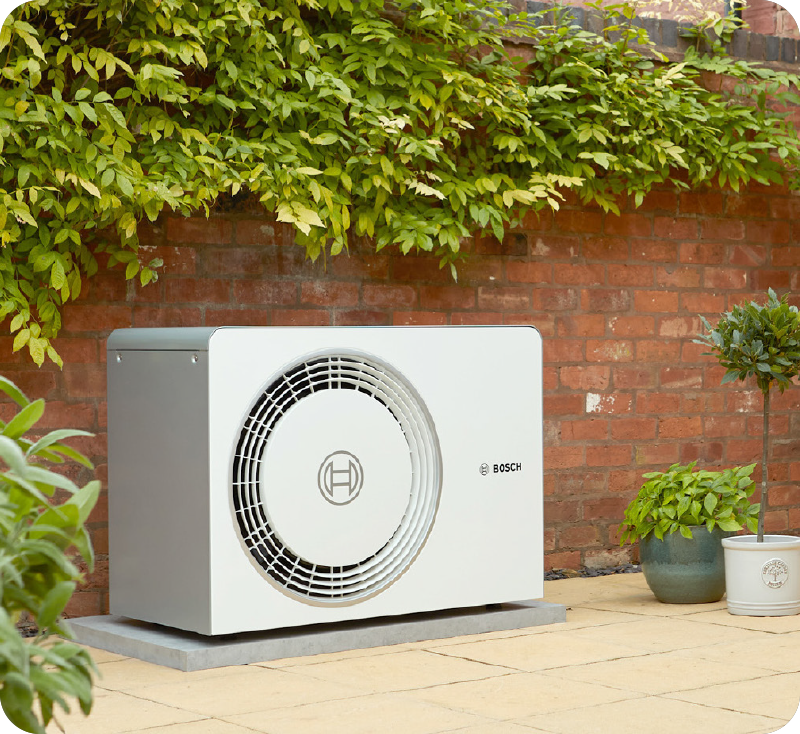
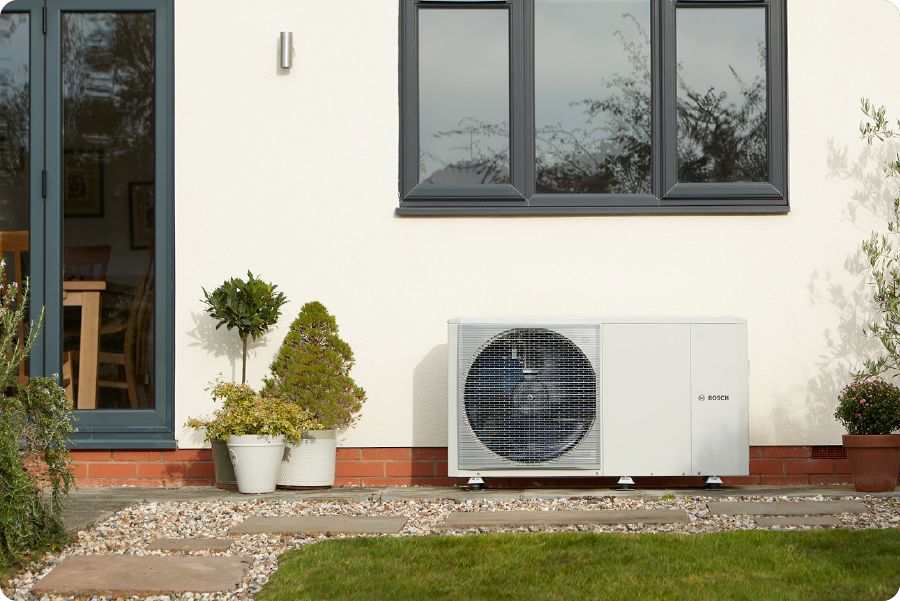
An air source heat pump is a renewable heating system that uses electricity to take warm air from outside and uses it to supply your home with heat and hot water.
Heat Pumps are more energy efficient than conventional methods of heating your home. If you are looking to make home improvements or are building your dream home and want to reduce your carbon footprint and your energy bills, Heat Pumps offer an excellent long-term solution.
They are suited to a variety of different building types and locations and can offer a cost-effective and environmentally friendly way of keeping your home warm.
What are the basic workings
of a Heat Pump?
Heat pump benefits vs gas boiler:
- Cost savings
- Green
- Eco
- Max comfort
- Lower fuel bills
- Long unit life span & warranty
- Lower carbon emissions
- Funding frequently available
Why switch to a Heat Pump?
Switching from a gas boiler to a heat pump offers significant environmental and financial benefits for homeowners.
Heat pumps are highly efficient, using renewable energy from the air to provide heating and hot water, which can reduce carbon emissions and reliance on fossil fuels.
With rising energy costs, heat pumps also provide long-term savings by lowering energy consumption, particularly in wellinsulated homes.
Additionally, government incentives, such as the Boiler Upgrade Scheme, can make the up front investment in a heat pump more affordable.
Don’t miss your
£7,500 heat pump grant
See our frequently asked Heat Pump questions

An air source heat pump is a low-carbon heating system that takes heat from the outside air and uses it to warm your home and hot water. Even when the air feels cold, it still contains heat energy. The heat pump extracts this heat, compresses it to raise the temperature, then transfers it into your central heating system.
Most air source heat pumps work with radiators, underfloor heating, and a hot water cylinder. They run on electricity but can produce several units of heat for every unit of electricity used, making them much more efficient than traditional electric heating.
Yes. Air source heat pumps are suitable for the UK climate and are designed to work efficiently throughout the year, including in cold weather. They are already widely used across countries with colder winters than the UK.
For best results, the system needs to be correctly sized and professionally installed. The property should also be assessed for insulation, heat loss, radiator sizes, and hot water requirements before installation.
The main benefits of switching to an air source heat pump include lower carbon emissions, improved energy efficiency, and reduced reliance on gas, oil, or LPG heating. They can also provide both heating and hot water from one system.
Air source heat pumps are especially beneficial for homes currently using oil, LPG, electric heating, or older inefficient boilers. They can also help future-proof your home as the UK moves towards cleaner, low-carbon heating.
Air source heat pumps are highly efficient because they move heat rather than generate it by burning fuel. A well-designed system can typically produce around three units of heat for every one unit of electricity used, although real-world performance depends on the property, system design, flow temperature, insulation, and how the heating is used.
This efficiency is why heat pumps can significantly reduce overall energy use compared with many traditional heating systems. Energy Saving Trust notes that heat pumps are much more efficient than most other heating types, although running cost savings can vary depending on the system being replaced and electricity prices. (Energy Saving Trust)
A good-quality air source heat pump will typically last around 15 to 20 years, provided it is correctly installed and properly maintained. The outdoor unit is built to withstand normal UK weather conditions, and regular servicing helps keep the system running efficiently.
The lifespan can vary depending on the brand, installation quality, usage levels, servicing, and whether the system has been correctly matched to the property.
Yes, air source heat pumps can work with existing radiators, but some homes may need radiator upgrades. Heat pumps normally run at lower flow temperatures than gas or oil boilers, so radiators sometimes need to be larger or have a higher heat output to warm rooms effectively.
Before installation, a professional survey should check each room’s heat loss and assess whether the current radiators are suitable. Energy Saving Trust advises that some radiators may need upgrading to ones with a larger surface area. (Energy Saving Trust)
Air source heat pumps require relatively low maintenance, but they should still be checked regularly. Homeowners should keep the outdoor unit clear of leaves, debris, snow, and obstructions so that air can flow freely around it.
A professional service is usually recommended once a year. This may include checking refrigerant levels, filters, electrical components, controls, water pressure, and overall system performance.
Yes. In England and Wales, eligible homeowners and small business owners can currently apply for support through the Boiler Upgrade Scheme. The scheme provides £7,500 towards an air source heat pump, also referred to as an air-to-water heat pump. The grant is normally applied for by the installer and deducted from the customer’s quote. (GOV.UK)
Installations must usually be carried out by an MCS-certified installer, and eligibility depends on the property and the heating system being replaced. Energy Saving Trust also notes that the scheme is for homes and small businesses in England and Wales, with separate support routes applying in Scotland and Northern Ireland. (Energy Saving Trust)






Warmglow Heating LTD (FRN 36134435) is an Introducer Appointed Representative of Tradehelp Ltd, who are authorised and regulated by the Financial Conduct Authority (FRN 697812). Warmglow Heating LTD introduce customers to TradeHelp Ltd and do not receive a fee for the introduction. TradeHelp Ltd are a credit broker, not a lender, and offer loans from Novuna Personal Finance, a trading style of Mitsubishi HC Capital UK PLC authorised and regulated by Financial Conduct Authority. Finance options are offered subject to status and credit check, which must be completed before commencement of works. A 14 day cooling off period applies to all applications. If cancelled within 14 days, alternative payment of the full outstanding balance must be made.